The effects of a spinal cord injury (SCI) can last a lifetime and vary hugely from one person to another and between injuries. The impact an SCI has on a person’s life and health depends on the extent of the damage and the area of the spine affected. An SCI can have a spectrum of effects ranging from very minimal altered sensation, or reduced function that does not require any significant changes to lifestyle, through to being paralysed and dependent on a ventilator.

The variation in SCIs means that it’s difficult to answer broad questions without assessing an individual’s situation, but there are some frequently asked questions about living with a spinal cord injury that can be addressed:

Why do spinal cord injuries cause paralysis?

The nerves that extend from your brain down the spinal cord and out to all parts of the body are what give your brain sensation feedback and control over movement. Some of the functions that this nerve-brain feedback loop are those that people can control themselves, like being able to move your fingers, and some of them are automatic, like breathing or controlling your temperature. If the spinal cord is damaged then the signals at that point are interrupted and the brain loses some or all control over control and sensation from that point down – broadly speaking, a back injury below the arms will affect the legs, bowel, bladder and sexual function; a neck injury will affect these plus the arms and possibly speech and breathing.

What is autonomic dysreflexia?

AUTONOMIC DYSREFLEXIA Cartoon style man in wheelchair holding head in pain cymbols clashing and heart pumping blood pressure upSome spinal cord injuries may make it difficult for someone to recognise early signs that something isn’t right with their body. Some of the most common problems people may experience without having any awareness of it include constipation, urinary retention, or anything that people without a spinal cord injury would experience as pain.

Without a pathway relaying information about problems in the body to the brain, these problems can become severe and may cause rising blood pressure and general feelings of illness. This is called autonomic dysreflexia (AD).

People with a SCI at T6 or above are most at risk of autonomic dysreflexia as they can experience significant problems with the bladder, bowels, and many other parts of the body without any sensation of them. The rise in blood pressure and other general effects on the body that this can have can cause serious problems and should be treated as a medical emergency and the cause of the AD found.

Can spinal cord injuries cause chronic pain?

The effects of an SCI can lead to long-term musculoskeletal or neuropathic pain, and some SCI can cause spasms or cramping muscles. It’s important to remember that pain is one of the symptoms that spinal cord injury specialists are very experienced in helping to control. It may be possible to identify and treat the underlying cause, and pain can usually be managed well with a combination of physiotherapy, massage, and medication, and other techniques that neurology teams and pain specialists can help with.

What bowel problems might I encounter after a spinal cord injury?

Continence problems and constipation are two of the most common complaints after an SCI, and they both require some management. Having an SCI can make a person unable to control their bowels and unable to sense the need for a bowel motion. An SCI can also affect the natural (unconscious) function of the bowel. The aim of good bowel management after SCI is to reduce the risk of incontinence or constipation. This can involve the use of laxatives, and suppositories or other bowel movement stimulants to encourage regular emptying of bowels at convenient, manageable times of the day.

What’s the best way to manage urinary incontinence after an SCI?

No two spinal cord injuries are exactly alike. The amount of feeling and function a person retains after a spinal cord injury (SCI) depends on the nature and extent of the injury.

The spinal cord is a bundle of nerves extending from the brain down the backbone. Pairs of nerves branch off from the spinal cord at each vertebra. These nerves are the control and sensation pathways from the body to the brain.

The nerves correspond to areas of the body and, broadly, the higher pairs of nerves service the higher parts of the body, and the lower nerves lead to the lower parts.

The nerves accountable for sensation are quite complicated; different nerves are responsible for different types of physical sense. A person with an incomplete spinal cord injury may lose their ability to detect changes in temperature, but may retain the ability to feel pressure.

Being able to feel vibration is a specific sense that can be lost. People with certain spinal cord injuries may also experience ‘phantom’ pains or sensations, such as pins and needles even where no functional sensation pathway exists.

Another sense that can be impaired by an SCI is proprioception – the body’s innate sense of the position of every part of itself – the sense that means we know where each part of our body is in relation to the rest. If you close your eyes and extend your arm then try to touch the tip of your nose, you’re using proprioception.

Damage to the spinal cord affects the nerves from that point down, not just the nerves at the point of injury. It can affect sensation, coordination, movement and motor ability. Depending on its level and severity, spinal cord injury in most situations causes continence and sexual function issues.

Severe spinal cord injuries can make people more likely to be affected by other conditions. A person who cannot clear their own chest secretions by coughing is at risk of chest infections, and a person who has reduced sensation can be at risk of skin and tissue damage from pressure or moisture.

The term ‘spinal cord injury’ describes a spectrum of effects, but people with significant impairment from spinal cord injuries will need specialist support for many activities of daily living.

Complete Spinal Cord Injuries

A complete spinal cord injury means that the spinal cord is damaged at one or more points along its length, and the damage is severe enough that it doesn’t allow any nerve impulses at all to pass that point.

How ‘complete’ an injury is depends on the amount of function lost and doesn’t refer to the specific nature of the injury. In general, though, a complete spinal cord injury is one where the spinal cord is severed, compressed, or otherwise damaged enough to have total loss of function below that point.

Complete vs Incomplete spinal cord injuries

At the initial, acute stage of spinal injury it is not always clear how much function can be recovered, but a complete spinal cord injury means life-long and total loss of function below the level of injury.

Incomplete Spinal Cord Injuries

The effect of a spinal cord injury depends not just on the level of the injury, but on the amount of damage to the spinal cord at that point. The spinal cord is a bundle of nerves and the damage may only affect some of them. The area of damage, i.e. the front or rear, left or right sides of the spinal cord nerve bundle, determines the kind of function that is retained.

An incomplete spinal cord injury can have a huge variety of functional impacts, and so the phrase can be used to describe people who have the most minimum of symptoms – from the slightest changes in sensation – to very profound and debilitating injuries.

A person with an incomplete spinal cord injury may need assistance with every activity in their daily lives, or they may live completely independent and barely affected lives – or anything in between. Incomplete spinal cord injuries are a complex spectrum.

If we were to look at a cross section of the spinal cord, we could point out which area of the nerves relate to which function.

Spinal cord cross section illustration

This means that the type of incomplete spinal cord injury can give us a clue as to which functions and areas are likely to be affected; we describe categories of incomplete spinal cord injuries by the area of the cross section of spinal cord that is affected. People with incomplete spinal cord injury very often have good recovery of many of the functions lost to them in the acute stages of the injury.

Different Types of Incomplete Spinal Cord Injury

The type of function lost or preserved depends on the specific areas of nerves within the spinal cord bundle that are affected. The spinal cord is simply an extension of the central nervous system that starts at the brain, and like the brain the spinal cord has a left and right half, and different functions at the front (anterior) and rear (posterior) aspects. The nerves that make up the central cord also have their own distinct functions.  Types of incomplete SCI include:

  • Anterior Cord Syndrome: The anterior or front aspect of the spinal cord is damaged. Motor control can be seriously affected, even totally absent. There is likely to be a good level of sensation, possibly with some altered sensations like ‘phantom’ pins and needles.


  • Posterior Cord Syndrome: Where there is damage to the rear aspect of the spinal cord. This is rarely caused by a traumatic injury and more often caused by an internal process like a vascular event or local disease. Posterior cord syndrome doesn’t usually affect motor control but has specific effects on sensation, particular causing loss of vibration sensation and proprioception – the sense of awareness of our body’s position.


  • Central Cord Syndrome: This is usually characterised by weakness in the limbs and can range in severity from very slight to very debilitating. People with central cord syndrome can have good prospects for recovery. Younger people and those for whom the underlying cause can be identified and managed have a particularly good outlook.


  • Brown-Sequard Syndrome: This is where only one half of the spinal cord is damaged. The effects can be quite complex as the nerves on one side control movement and some aspects of sensation on that side of the body, but are associated with some pain and temperature sensation on the other side of the body. This means that someone with a complete lesion to the left side of the spinal cord, for example, will be paralysed and have some loss of sensation from that point down on the left side of their body, and will also have significantly impaired sensation on the right.

Grading Spinal Cord Injury

The American Spinal Injury Association (ASIA) developed a comprehensive physical and functional examination known as the International Standards for Neurological Classification of Spinal Cord Injury (ISNCSCI) used to assess function across multiple key sites of the body and grade the severity of injury. The ASIA grades are known as ASIA Impairment Scale (AIS) grades A to E:

  • A – a complete spinal injury with no sensory or motor function below the point of injury.
  • B – A significant incomplete spinal cord injury where the person retains sensory function but no motor function.
  • C – an incomplete spinal cord injury where sensory function is retained, and more than half of the key muscles are significantly impaired.
  • D – an incomplete spinal cord injury where more than half of the key muscles have good function.
  • E – completely unimpaired – no spinal cord injury.


Incomplete SCI is more likely to respond to rehabilitation, and lots of function can be recovered by intense and tailored physiotherapy and management, including repetitive passive or active motion. The amount of improvement depends on many factors, including the level and extent of the injury, any other health conditions, and the amount and type of support the affected person is able to get in the early stages.

Rehabilitation programmes for people with SCI focus on practical functional skills; improving gait and balance is one of the most significant rehab goals in terms of subjective social and lifestyle improvement after SCI. People with complete SCI usually have a more predictable pattern of rehabilitation, as the ability to recover from a complete spinal cord injury after the acute phase is very limited.

People with an incomplete spinal cord injury do not always have a predictable pattern of recovery. The rehabilitation process can take weeks, months, even years, with improvements in functional ability continuing long into the recovery process.

Research into management of neurological injury is always ongoing and new techniques are being developed all the time. As a consequence, the outcomes for people with incomplete SCI are improving all the time.

Spinal shock

One of the reasons that it can be hard to predict how much of their ability someone will recover after a spinal cord injury is that they can suffer ‘spinal shock’ in the very first stages.

Spinal shock is the body’s response to an acute spinal cord injury; it occurs in the first few hours or days after the initial injury. The body’s natural response to any injury is to reduce blood supply and begin the clotting process, and areas of damage are prone to becoming swollen or inflamed.

These natural processes actually make a spinal cord injury worse, with inflammation causing pressure on already vulnerable parts of the spinal cord and a reduced blood supply meaning less oxygen supply to those parts of the body that are trying to heal.

Spinal shock can be recognised and managed in hospital and can have good outcomes. The condition can make it difficult, however, to predict how much functional improvement there will be after the acute phases of an SCI. When the inflammation settles down and blood supply improves, sensory and motor functions can improve as well, and good levels of rehabilitation may be possible.

Life After Spinal Cord Injury

The severity, level and area of an injury to the spinal cord can vary widely. Anybody with ongoing care or social support needs after an SCI should be assessed throughout a rehabilitation process. The purpose of rehabilitation is to get you as well and functional as possible, and then help you structure the best plan of care to meet your ongoing needs.

Illustration of spinal cord patient rehabilitationRehabilitation can be a lengthy process and doesn’t necessarily stop when someone is discharged from their rehab facility – having physiotherapists and occupational therapists as well as specialist carers and nurses as part of your home care team means attaining and maintaining the best possible functional ability and overall health after your injury.

Total Community Care work with the multidisciplinary teams involved in our clients’ rehab programmes and beyond. This means we can participate early in the process of planning for discharge home or can take over a care package with a thorough understanding of the needs of our clients.

Our clients are at the centre of everything we do. We believe that the best package of care starts with the client and is created in collaboration with the most important people in our clients’ lives. No two people are alike, and we help support the lives and lifestyles of people across the wide spectrum of extra care needs.

Our aim is to empower people to choose their own care team, plan their own package of care, and to prioritise the things in life that are most important – family, work, home life, leisure time and holidays away – we can provide tailored, specialised support throughout.

At Total Community Care we pride ourselves on providing the complete package to support our clients and their loved ones to continue the kind of lives they want to lead.

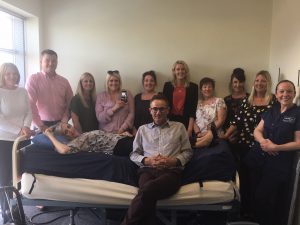
Thank you very much to Debbie Newcombe of Medstrom Healthcare who came to our management meeting today to talk about, and demonstrate, their innovative alternative to air mattress systems; Dolphin Therapy. We all really enjoyed the presentation (and watching volunteers trial it! )

Dolphin Therapy is a reactive therapy mattress system which provides optimum pressure relief with increased comfort and therapeutic benefits, with well evidenced excellent patient outcomes.

You can find out more information via Medstrom’s website, or if you prefer we can provide your contact details and arrange for you to have a one-to-one discussion about whether you could benefit from the system.

Michelle Gilligan – Recruitment and Marketing Manage

Medstrom Healthcare Visit

Medstrom Visit – Chris Trialing Dolphin Therapy

Dolphin Therapy by Medstrom

The physical impact of a spinal cord injury depends largely on the area of the spine where the damage occurs. As the spinal cord progresses from the brain down the backbone, pairs of nerves extend between each vertebra to different areas of the body. This means that the nerve signals at and below the area of injury are those affected – so the higher up the injury, the more of the body is affected.

As the nerves that branch off into the limbs arise from different points in the spinal cord, injuries above the level of the nerves of the arms will cause a person to lose the use of all four limbs – this is known as tetraplegia or quadriplegia. Injuries below the level of the nerves that branch into the arms but above those that communicate with the legs will cause loss of use of the lower limbs, but with preserved function of the upper limbs – this is often known as paraplegia.

Damage to the spinal cord may be caused by a traumatic injury including fractures of the vertebrae and cord compression, or may have causes from within the body such as tumours or infection.

A spinal cord injury may be total – where there is no useful communication between the brain and the nerves below the point of injury. The injury may be partial, where there is damage to part of the nerve bundle, and so there may be preserved function in certain areas, for example on one side of the body but not the other.

The spine is largely divided into four areas – the cervical spine makes up the bones of the neck, the thoracic spine is the part of the backbone supporting the upper torso and ribcage, the lumbar spine is the lower back and the sacral spine is the very bottom of the back.

Cervical Spine Injuries

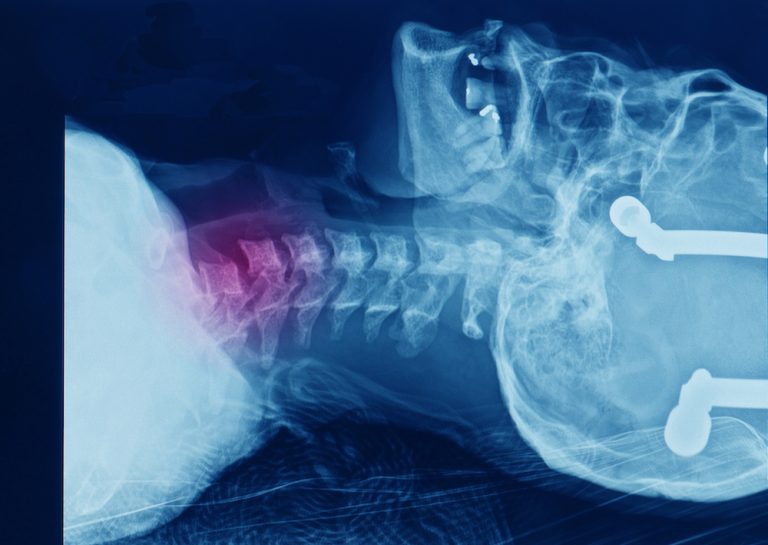
The cervical spine or C-spine is the name for the top seven vertebrae of the backbone. These are the bones of the neck. Injuries at the level of one of the cervical vertebrae will be a numbered C1 to C8 – C1 refers to the pair of nerves at the very top of the spine, and C8 is the lowest pair of nerves. The lowest cervical vertebra is C7 – it has a protrusion which makes it easy to feel – it’s the ‘knobbly’ part of the backbone at the base of the neck.

Total injuries to any part of the cervical spine will mean loss of sensation and motor function from that point downward; this includes continence and sexual function, and issues with joints and muscles resulting from lack of use and movement. People with C-spine injuries will nearly always need 24-hour support.

C1 and C2 injuries, as the highest parts of the spinal cord, are the most total. People with very high total spinal cord injuries may have no communication between the brain and anything below the top of the neck, and so may be totally paralysed, and dependent on mechanical ventilation. People with high c-spine injuries will be dependent for all personal care including positional changes for comfort and preventing pressure damage. High cervical spine injuries will affect a person’s ability to clear their lungs, and possibly to clear saliva from their mouths and may affect speech and swallow.

C3, C4, and C5 injuries may require the use of a ventilator, particularly those at C3 level, while C4 and C5 may have some breathing control but some lack of diaphragm control meaning that they may not require a permanent mechanical ventilator, but may need cough assist devices and periodic ventilation. People with injuries at C5 and lower should retain their ability to speak, and may have some control and sensation to their upper arms and elbows, but without control or sensation to their hands.

C6, C7, and C8 injuries are below the level of some of the nerves which communicate with the hands and arms. People with injuries at these levels generally have some motor control over the hands and arms, but may lack fine coordination, and can have altered sensation. This may take the form of referred pain, odd tingling or pins and needles in the hands. The lower the injury, the more upper limb function is retained.

Thoracic Spine Injuries

The middle 12 vertebrae of the spine are known as the thoracic spine, or T-spine vertebrae. They are the vertebrae with ribs attached. Like all spinal cord injuries, the lower down the spine the damage occurs, the less effect there is on normal function. People with T-spine injuries usually have good upper limb control – this means that they may be able to drive a car adapted for hand controls.

Total T-spine injuries will always affect lower limb, continence and sexual function, and control and sensation to the torso.

T1 and T2 injuries still have some impact on the arms, and may particularly affect flexion of the wrist and the muscles to the back of the upper arms. Nonetheless, people with high T-spine injuries can usually retain or regain good use of their arms.

T3 to T8 injuries affect the muscles of the trunk – the back and stomach muscles will be affected to a degree depending on the height of the injury. The lower the injury, the more scope there is for good rehabilitation, muscle strengthening and control.

T9 to T12 injuries, if total, will mean the loss of nerve communication with the muscles and organs of the lowest parts of the abdomen, and the legs. However, upper limbs, breathing, and upper torso muscles should be unaffected, meaning good sitting control, ability to drive a modified car, transfer themselves bed to chair, wheelchair to car and so on. Good control of the muscles of the upper body means more independence in both manual or electric wheelchairs, and some people use standing frames for mobility, exercise and therapeutic use.

Lumbar Spine Injuries

Injuries to the lumbar vertebrae, the five bones of the lower back and the spinal cord nerves there, affect the body from below that point, so largely affect the legs, bladder, bowels and sexual function.

L1 and L2 are the last bones of the spine to contain the spinal cord within them, and the nerve roots that correspond to the lower vertebrae branch off from this point. Total cord injuries at the level of L1 and L2 will mean loss of the use of legs and control of the lower organs and muscles.

L3, L4 and L5 injuries, where the nerves of the spinal column are not held together in a single spinal cord, can have variable effects, which can differ from total loss of control and sensation of the legs and lower organs, to numbness or mildly reduced control of range of motion. People with L-spine injuries can expect a good level of independence and rehabilitation.

Sacral Spine Injuries

The sacral spine – S-spine – comprises the lowest part of the backbone leading into the coccyx, or tailbone. There are five vertebrae that make up the sacral spine. The spinal cord does not reach into this point – L2 is the lowest vertebra containing spinal cord, but the spinal column is still the central hub for the nerves that branch off to the lower extremities. This means that injuries to this lowest part of the body have less effect than any higher injuries, but can still have some serious repercussions in life. In general, someone with an S-spine injury can expect normal levels of independence, but may have problems with bladder or bowel sensation and control.

S-spine injuries may lead to sexual dysfunction, particularly in men, but should not affect primary fertility. A common symptom after sacral spinal injury is lower back or leg pain, and reduced sensation around the groin is often an issue.

Living with a Spinal Cord Injury

There is such a range in effect from different levels of spinal cord injury, and any one injury can affect the entire spinal cord at that point or only one side, front or back of the nerve bundle. This means that there is huge variation in the changes someone with a spinal cord injury will experience. Generally, anyone with any degree of serious spinal cord and nerve damage can expect to encounter big changes in their life and lifestyle.

Assistance with the physical side of life can take many forms and can range from total dependence on ventilators and carers for all activities of daily living, to perhaps, problems with continence or lower movement and sensation which can be managed independently. Professional rehabilitation after a spinal cord injury is designed to help you achieve the optimum functional level for you as an individual and to plan for any ongoing support you need.

Getting the right kind of care and support is essential for maintaining quality of life, and for preventing problems associated with spinal cord injury. People with spinal cord injuries are at risk of pressure sores, skin and tissue damage associated with incontinence, muscle wastage, and joint problems. Ongoing care should include regular physiotherapy as well as personal care, and with a dedicated care team, a physiotherapy regime can be well maintained. Carers with a special interest and background in spinal cord injury and clients with extensive care needs can make all the difference to life after a spinal cord injury.

The emotional and mental health impact of a spinal cord injury cannot be understated; any event that has a significant effect on the way you live and function is bound to cause changes in your outlook, both short- and long-term. Having new health needs and an increased reliance on other people can be very difficult. Remember that you still deserve to have control over your life, to feel useful and seek enjoyment. There are lots of ways to get support through these times, from professional help, peer support groups, online, locally, nationally and worldwide.

Ongoing Support after a Spinal Cord Injury

At Total Community Care we believe that you should have the ultimate choice over the people who help you day-to-day, and our job is to enable you to assemble a team of specialist carers and healthcare professionals who can enable you to live the life you want. Consequently, you are involved from the outset in the selection of your care team. With your input we create recruitment adverts that are bespoke to your needs and carer interviews are held with you, a family member and or your case manager. This approach keeps you in control of choosing the right care team for you.

We provide 24 hour care in your own home, and your regular team members can accompany you as you continue your journey throughout changes in your functional ability and healthcare needs. We can accompany you on holidays, enable you to work, socialise and just continue to enjoy your life.

No one spinal cord injury is the same as any other, just as no two people are the same. Aside from the variation in effect and function after a spinal cord injury, there is infinite variety in the way people respond to injury and rehabilitation, both physically and emotionally. Rehabilitation and care planning after a spinal cord injury must be based on holistic assessment – consideration of the person as a whole – with a full appreciation of their lifestyle, desires and place in their family, work and friendship circles as well as physical and functional needs.

A care team will incorporate day-to-day personal assistants for everyday physical and emotional support and personal care. A really comprehensive care package should also incorporate or have links to healthcare professionals from associated backgrounds like neuro rehab, physiotherapy, speech and language therapy, and clinical psychology. With expert input, a good care team can become a great care team. A dedicated care team will provide continuity of care, growing to learn the best way to look after you, and to help you look after yourself and your loved ones.

That’s why it’s so important to choose a care provider who will support you in making decisions about your own needs based on the things that are important to you – the individual – and the people you care about.

Spinal Injury Care & Support

From Rehabilitation to an Independent Life

Total Community Care is not like other care providers. We provide bespoke care packages for clients with spinal cord injury and other long term neurological conditions.

Our specialist team will help you:

  • Determine your level of care
  • Choose your own bespoke care team
  • Live your life as you choose

Whether you are looking for your first care agency, or looking for a change in care agency that better suits your needs; we believe we can give you a lifestyle driven care solution.

Your care solution will take into account your home situation to ensure that your team is sufficiently flexible to meet your needs. Whether for hospital visits, trips to the shops or going on holiday, your team will accompany you and support you as you require.

Our approach is to give you control of your care by placing you at the centre of the process. With our full support and guidance we will assist you in recruiting your own care team, including you interviewing and choosing the staff with us.

Once appointed, our Clinical and Nursing Team, in conjunction with you and other health professionals, will train your team to meet your specific care needs. We pride ourselves on the quality of training and support provided to employees.

We support clients with a range of disabilities and specialise in helping paraplegic and tetraplegic clients with spinal cord injuries and we are confident that we can meet your care, lifestyle and independence needs.

Spinal cord injuries describe a wide variety of damage to the spinal column and cord. They have profoundly different effects depending on where in the spine the damage has occurred, and whether the nerve impulses are completely or only partially damaged at the point of the injury. As there is such variety in problems caused by spinal cord injury, it’s helpful to describe these injuries in terms of where in the body they occur, and from there we can get an idea of what they affect.

A C6 spinal cord injury affects the cord near the base of the neck. Injuries to this area of the spinal cord can result in loss of sensation or function of everything in the body from the top of the ribcage on down, including all four extremities.

Spinal cord injuries can have many causes and can be acquired or congenital (from birth or very early infancy). In children and adults, the main cause of a spinal cord injury is trauma – the most common kind of trauma causing serious back injury is road traffic accidents[i], closely followed by falls.

Apart from accidental injury, spinal cord injury can be caused by some diseases like tumours of the spinal cord or adjacent areas, multiple sclerosis or meningitis[ii].

Understanding the Bones of the Spine

The backbone, spine, or vertebral column, is the upright, central row of vertebrae – the bones of the spine. Humans usually have thirty-three vertebrae – the upper twenty-four are ‘articulating’, with a cushioning disc in between each one – this means they can move slightly, enabling us to bend, twist, and adjust our posture to help with movement and load-bearing.

When talking about the vertebra, we divide them into regions to help easily understand where in the back they are, and each vertebra in each region is numbered, starting at the top and working downwards. The top 7 vertebrae, just below the skull, are known as the cervical spine – C1 to C7. The next region is the thoracic spine with 12 vertebrae – T1 to T12. Then the lumbar spine – L1 to L5. The next five are fused together to form the sacrum, and finally the coccyx is usually made up of four fused vertebrae.

Understanding the Spinal Cord

Each vertebra has a vertebral ‘arch’, effectively a passageway through each spinal bone, towards the back. All the vertebrae line up so this passageway is a smooth, well-lined continuous tube all the way from the C1 vertebra to around L1 or L2. The spinal canal is lined with thick flexible membranes and holds and protects the spinal cord.

The spinal cord and the brain are collectively known as the central nervous system. The spinal cord is made up of nerve tissue, and pairs of nerves extend from it between each vertebrae to form the peripheral nervous system. This is how sensations and commands are relayed between the brain and the rest of the body. Each pair of nerves relates to a different area of the body, and broadly speaking, the further down the spinal cord you get, the further down the body those nerves relate to.

The nerves pass information enabling control over nearly every part of the body. They are responsible for our understanding of the world through touch, taste, smell, sight and hearing, and every other subtle way in which we perceive our bodies and their environment. Our nerves give us control over the use of our bodies. The nervous system even affects those parts of the body which we have no or only partial conscious control of, such as the heart and breathing control.

Injury to the Spinal Cord

The higher an injury to the spinal cord is, in general, the more of the body is affected. With a high (C1 to C4/C5) injury, there may be little or no sensation or control of the body below the affected point – the person may lose control over their arms and everything downward. They may also require ongoing assistance with breathing, possibly including mechanical ventilation.

Those with a C6-C8 are more likely to have partial control over their hand and arm movement and sensation, and to have independent breathing control, though they may have trouble with coughing or clearing their chest, especially when if they have respiratory tract infections. People with C-spine injuries who have little or no upper limb control may be referred to as tetraplegic or quadriplegic.

Thoracic spinal cord injuries – T1 and below – with preserved upper limb function may be referred to as paraplegic – having no or little use of their legs, as well as reduced or lack of control over the lower organs; bladder and bowel control, sexual dysfunction and movement of the muscles of the torso (stomach muscles).

In addition to being classified by region, a spinal cord injury may be complete or incomplete. A complete spinal cord injury means profound damage or even severance of the spinal cord resulting in an absolute lack of control from that point downwards.

An incomplete injury means that there is still some useful nerve pathway that has escaped damage, meaning some partial sensation or control below the area of injury. A partial spinal cord injury may mean that one side of the body is affected more than the other. Depending on the part of the spinal cord damaged, it’s possible to retain sensation without movement, or movement without sensation, or areas and functions which are or aren’t affected but which are difficult to predict.

Life with a C6 Spinal cord injury

If you or a loved one has sustained a C6 spinal cord injury, you may be wondering what to expect. A C6 spinal cord injury usually means a high degree of effect on the body. Someone with a complete or near-complete C6 injury may have some hand and arm sensation and movement, but it is likely to be quite restricted compared to the average person.

Someone with a profound C6 injury will have a lack of feeling and control over their torso and lower limbs, and may have problems with their breathing and reduced diaphragm control. The most immediate and obvious problem with a complete C6 injury is lack of sensation and motor control, but there are some other health and lifestyle concerns which go along with that:

  • Lack of control over the bladder and bowel movements: some consideration has to go into managing continence. Chronic incontinence can cause other problems like skin damage and can impact on a person’s confidence in social situations, but there are ways to manage continence, such as catheters – long-term or intermittently used for regular bladder-emptying, or medications to help keep bowel movements predictable.
  • Problems with regulating body temperature: some people with high spinal injuries have an affected sympathetic nervous system – the system that controls blood pressure and heart rate regulation, among other automatic systems; these sorts of effects need to be medically managed.
  • Sexual dysfunction: having reduced or no sensation and motor control means that sexual intercourse may be impossible for someone with a C6 injury. This can be distressing, depressing, and difficult to talk about. Help is at hand for those affected, however; talking and couples therapies can help with coming to terms with changes in sexual activity, and to help to find alternatives. There are even specially designed aids and chairs to help those with some ability to have a normal sex life.
  • Pressure damage: with lack of motor control and sensation comes a risk of not realising when the skin breaks down on those areas at risk of pressure damage: the buttocks, heels, anywhere with bony prominences that are subject to pressure from body weight.
  • Changes to the body: unused muscles will shrink, and the way fat and muscle is distributed about the body will change because of reduced activity and altered position.
  • Breathing difficulties: C6 is one of the lower C-spine injuries, but still high enough to affect breathing and diaphragm control. People with less breath control find it hard to cough and are more at risk of developing lower respiratory tract infections – bad chest infections and pneumonia. Specialist physiotherapists can recommend ways to maintain healthy lungs, and some people use devices to assist with coughing to reduce hard-to-shift mucous in the chest.
  • Pain: with some spinal injuries, experiencing pain means having some functioning sensory pathways, and can be a good sign that the nerves aren’t completely damaged. People who don’t feel pain are more aware of developing further damage – not realizing when they sustain burns or pressure sores, for example. Occasionally, however, people experience pain even when it seems that they have no functioning neural pathways – nerves – to that area. This type of pain can be harder to manage, but specialist advice is available.
  • Mental health problems: a spinal cord injury can be profoundly disabling, and whatever the extent of it, it’s likely to have a significant impact; it’s a truly life-changing injury. It’s essential that anyone affected by changes in mood, depression or anxiety seeks help. Help is available to support anyone with any physical and mental health problems, as well as their families and support networks. [iii]

Recovery, Rehabilitation, Management

With any spinal cord injury, it’s essential to have comprehensive and ongoing medical and social input. There are many programmes available to help with continued physiotherapy and rehabilitation, and treatments and management options are improving all the time.

Exciting advances in treatment are already helping improve outcomes for those who’ve suffered spinal cord injury, from stem cell research to nanosurgery. The severity of damage to the spinal cord can make a difference to the amount of recovery possible; some people have made remarkable recoveries in function, but the most severe spinal cord injuries are associated with chronic loss of nerve function[iv].

The lives of people with paralysing spinal cord injuries can be improved by modern medicine and technology, and there are more ways to manage even the most profoundly disabling conditions. The ReWalk robotic exoskeleton can allow those with lower limb disabilities to walk and even climb stairs[v].

Disabled student in class room working with laptop.

Wheelchairs are more sophisticated all the time, and more responsive to commands, even to those with severe loss of nerve function. Modern accessibility requirements and discrimination laws, brought about in part as a response to pressure groups and disability charities, mean that it’s no longer acceptable to exclude people with accessibility needs.

People with a reasonable amount of hand and arm control can drive adapted cars and take part in an impressive amount of sports and physical activities with just a few special adjustments.

The future is bright, with research into chronic neuromotor disorders yielding exciting results[vi], including robotic neuroprosthetics; devices designed to replicate missing function using higher neurological control, and which animal studies have shown can actually help to recover some movement and function.[vii]

Help and Advice

Spinal cord injuries of any severity can be disabling, and can require a huge adjustment in the lives of both the person affected and their nearest and dearest. Ongoing support at home can involve the help of a whole team of carers and professionals from a range of disciplines – having specialist advice from physiotherapists, neurologists, specialist nurses and carers who have had training in spinal injuries is the best way to help manage a spinal cord injury.

Support can be on hand for anyone involved in the life and care of someone with a spinal cord injury, from peer support groups, organized, accessible activities, or even just someone at the end of the phone who can give practical advice.

There has never been a better time to find support and care, as the internet is an ideal place for people needing and giving support to come together. Advice can be easily sought, and reviews and recommendations for treatment can be invaluable. The ability to choose the people involved in your care is important; with greater connectivity comes greater choice.

Total Community Care is a unique care provider that focuses on helping give you the greatest amount of independence possible. We offer bespoke spinal cord injury support care packages where you choose the level of care you require, and we take into consideration your home situation and daily needs.

If you or a loved one has suffered a C6 spinal cord injury, you want the best care available. Call Total Community Care on 01858 469790 for a consultation with our experienced, friendly staff and look forward to a more independent life.

[i] Holtz A, Levi R (6 July 2010). Spinal Cord Injury. Oxford University Press. ISBN 978-0-19-970681-5.

[ii] Sabharwal S (10 December 2013). Essentials of Spinal Cord Medicine. Demos Medical Publishing. ISBN 978-1-61705-075-6.

[iii] Bonanno, G.A., Kennedy, P., Galatzer-Levy, I.R., Lude, P. and Elfström, M.L., 2012. Trajectories of resilience, depression, and anxiety following spinal cord injury. Rehabilitation psychology, 57(3), p.236.

[iv] Silva, N.A., Sousa, N., Reis, R.L. and Salgado, A.J., 2014. From basics to clinical: a comprehensive review on spinal cord injury. Progress in neurobiology, 114, pp.25-57.

[v] Esquenazi, A., Talaty, M., Packel, A. and Saulino, M., 2012. The ReWalk powered exoskeleton to restore ambulatory function to individuals with thoracic-level motor-complete spinal cord injury. American journal of physical medicine & rehabilitation, 91(11), pp.911-921.

[vi] DeVivo, M.J., 2012. Epidemiology of traumatic spinal cord injury: trends and future implications. Spinal cord, 50(5), pp.365-372.

[vii] Rubia van den Brand, Janine Heutschi, Quentin Barraud, Jack DiGiovanna, Kay Bartholdi, Michèle Huerlimann, Lucia Friedli, Isabel Vollenweider, Eduardo Martin Moraud, Simone Duis, Nadia Dominici, Silvestro Micera, Pavel Musienko, Grégoire Courtine (2012) Restoring Voluntary Control of Locomotion after Paralyzing Spinal Cord Injury. Science 1182-1185